
“Asbestos” is a word that no property owner wants to hear—but understanding it is essential for protecting both lives and property value. Going one step further, knowing the basics of asbestos testing can prevent costly surprises and major health hazards, regardless of whether you own a residential, rental, or commercial property.
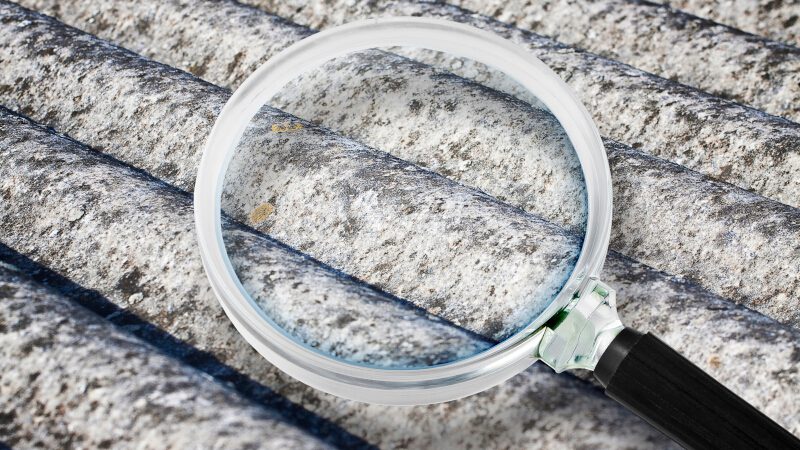
What Is Asbestos?
Asbestos, a naturally occurring mineral, was once widely used in construction materials due to its durability and fire resistance. Today, it can be found in insulation, ceiling tiles, floor tiles, roofing shingles, cement siding, and even textured paints, especially in structures built before the 1990s.
The threat occurs when asbestos-containing materials are disturbed. When they become broken or deteriorate, minuscule fibers are released into the air. The inhalation of these fibers has been related to health conditions, such as lung cancer, mesothelioma, and asbestosis. Early detection and prevention are essential for many diseases, as they can develop over decades.
When Is Asbestos Testing Needed?
Asbestos testing is particularly important if you are:
- Renovation or remodeling.
- Demolish a portion of a structure.
- Buying an older property.
- Notice crumbling insulation or broken materials.
Regarding asbestos testing, it is essential not to try sampling on your own. Improper handling could cause fibers to be released, increasing the risk of exposure. Our team at Double D Construction Services, Inc., follows specific protocols to safely collect samples and submit them for analysis.
What Does the Testing Process Involve?
When called in for asbestos testing, we start with a visual assessment, identification of questionable materials, and thorough sample collection. The results determine whether asbestos is present and at what concentration. If asbestos is confirmed, you can choose between encapsulation (sealing the material) or removal, depending on its condition and future renovation plans.